Legacy Practices from Bingo Halls: Their Mark on Digital Platform Reward Designs
Erik Simon · Sep 18, 2026
Legacy Practices from Bingo Halls: Their Mark on Digital Platform Reward Designs
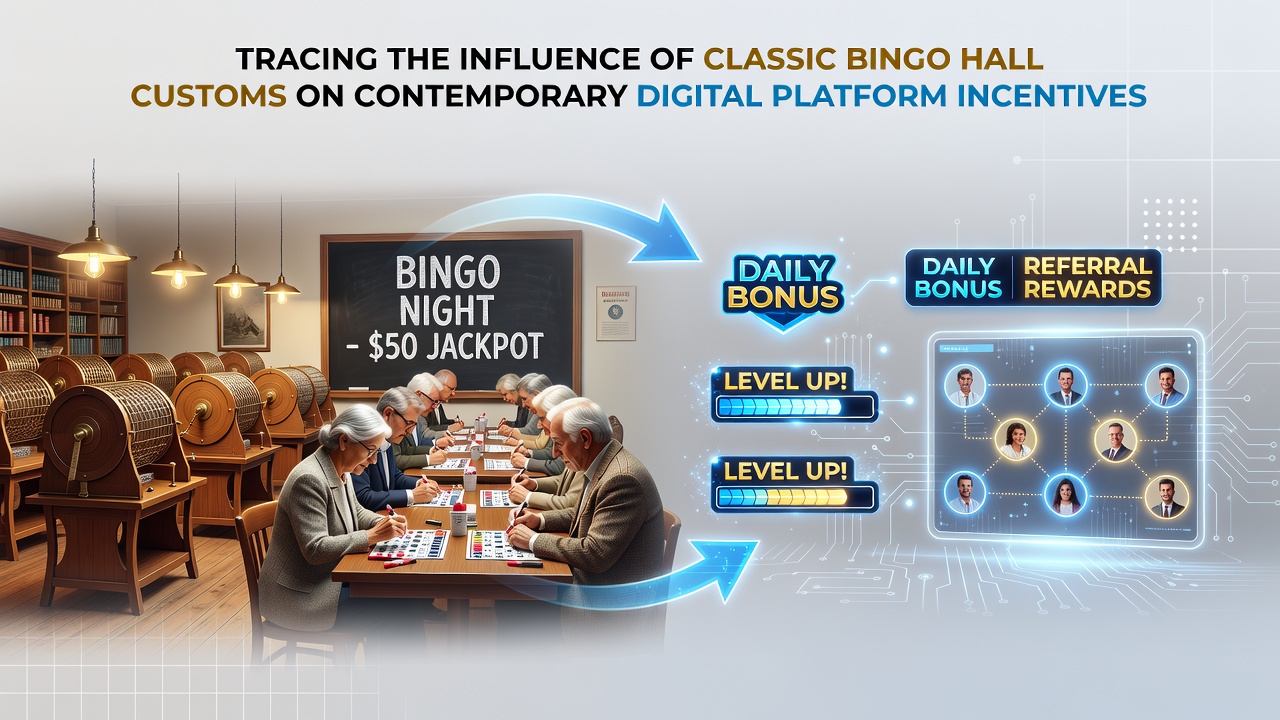
Classic bingo halls built entire evenings around rituals that extended far beyond the simple act of marking numbers, and those same rituals now surface in the way digital platforms structure bonuses, loyalty tiers, and special events. Number callers once paced the room with deliberate rhythm, pausing for dramatic effect after each announcement, while players responded with synchronized daubing motions that turned individual cards into a collective performance. Observers note these pacing techniques appear today in timed bonus rounds where digital systems release new numbers at intervals designed to maintain tension and encourage continued play.
Patterns and Progression Systems
Traditional halls favored pattern-based wins such as lines, corners, or full house blackouts, and operators rewarded players who completed rarer configurations with escalating prize pools. Data from industry reports shows many contemporary platforms replicate this structure by offering multipliers that grow only when specific symbol combinations appear in sequence. Researchers at gaming analysis firms have tracked how these layered requirements mirror the incremental buildup once achieved through multiple rounds in a single hall session.
Progressive jackpots operated in physical venues through linked machines that pooled contributions across several locations, and the same pooling logic now drives networked digital events. In September 2026 PAGCOR will host a linked bingo promotion offering up to PHP2.9 million in tax-free prizes, an approach that directly continues the cross-venue accumulation model long used in physical halls.
Social Rituals Translated Online
Community announcements in halls often highlighted birthdays, anniversaries, or regular attendees, creating a sense of belonging that encouraged repeat visits. Digital platforms incorporate comparable recognition through visible leaderboards and shout-outs for milestone achievements, turning individual play into a shared experience. Studies conducted by European gaming associations indicate that platforms adopting these visibility features retain players longer than those relying solely on monetary rewards.
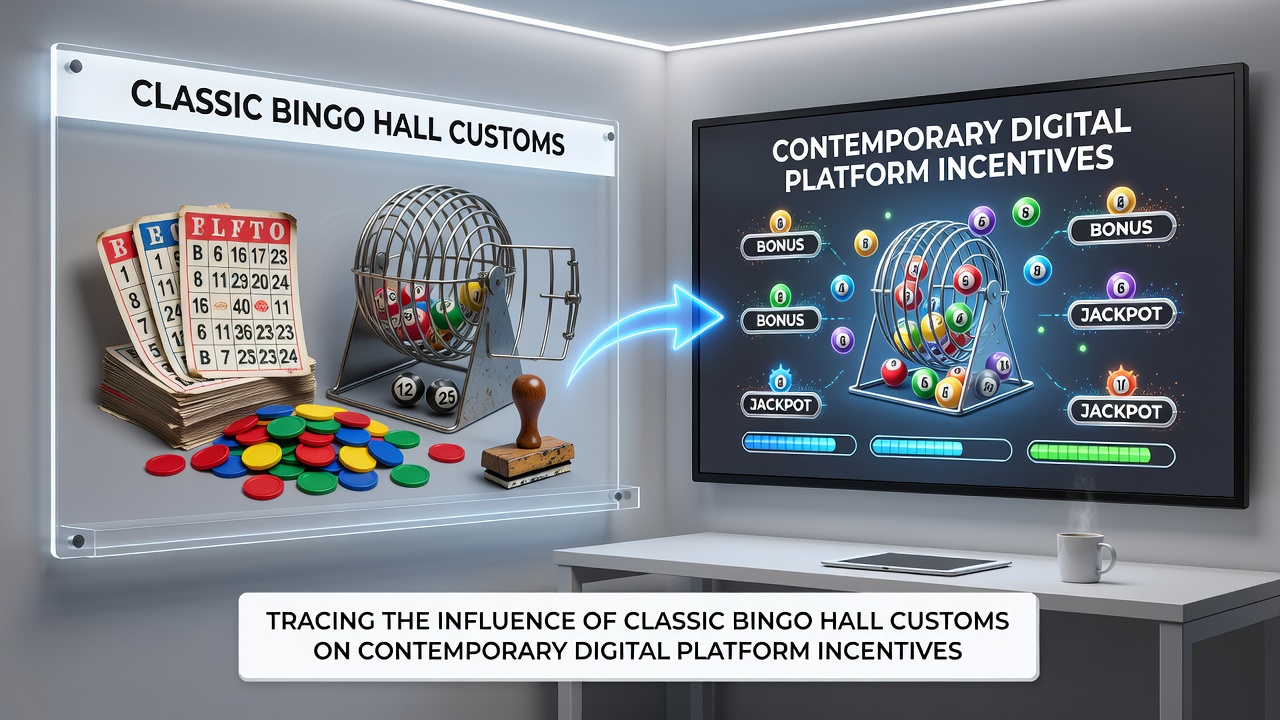
Dauber collections once served as tangible status symbols in halls, with players displaying personalized markers as conversation starters. Equivalent customization options now appear in digital interfaces where users select avatars, card themes, or sound effects that accompany wins, providing similar opportunities for personal expression and social signaling.
Event Structures and Timing
Weekly specials such as early-bird sessions or late-night jackpots kept attendance steady across different times of day, and operators adjusted prize values accordingly. Current digital systems schedule limited-time incentives during comparable windows, using countdown timers that replicate the urgency once created by a physical session's fixed start and end times. Figures released by Australian regulatory bodies reveal measurable spikes in engagement during these mirrored time blocks.
Callers in traditional settings frequently introduced house rules or special games mid-session to refresh interest, and digital platforms employ pop-up variants that alter standard play for short periods. These interruptions maintain attention in much the same way a surprise blackout round once did inside a crowded hall.
Measurement and Adaptation
Operators in physical venues tracked repeat attendance through manual sign-in sheets and verbal greetings, data that informed decisions about which promotions to repeat. Modern platforms collect equivalent information through account histories and session analytics, allowing reward structures to evolve based on observed participation patterns rather than guesswork. Academic papers from North American universities have documented how these feedback loops produce incentive designs that closely parallel successful hall practices.
Charity-driven events once dominated certain nights, directing portions of proceeds to local causes and strengthening community ties. Several digital operators now allocate segments of their bonus pools to similar designated causes, preserving the philanthropic angle that once distinguished particular hall gatherings.
Conclusion
Customs developed over decades in physical bingo halls continue to supply the underlying logic for many reward mechanisms found on digital platforms today. Pattern progression, community recognition, timed events, and pooled prize structures all trace direct lines to practices that once defined live sessions. As regulatory frameworks and technology advance, these inherited elements remain visible in the ways platforms encourage sustained participation and shape player behavior.